Pregnancy is a natural process that does not always come easily. Implantation failure and recurrent pregnancy loss are among the barriers faced by some of the couples who do not achieve their goal through reproduction treatment. It is a real challenge for specialists in the field. In these cases, standard tests tend to return normal results but, even so, the couples in question do not manage to get pregnant following in vitro fertilisation (IVF) treatment. Sometimes, the embryo implants in the uterus but then the patient experiences premature pregnancy loss. This happens in between 2 and 5% of all cases of pregnancy loss.
The reproductive medicine clinic based in Alicante, Spain, Instituto Bernabeu, is pursuing several lines of research work aimed at helping their patients to get pregnant. points out that these situations can be caused by a number of different factors. They range from anatomical abnormalities in the uterine to genetic, immunological and endocrine factors, diseases and others. It is why advanced specialisation and personalisation are key to uncovering the reason or reasons for a situation that can make couples feel despondent and frustrated.
Instituto Bernabeu’s prerequisite, when faced with recurrent implantation failure, is an in-depth study of all three parties: the female partner, the male partner and the embryo. Analyses begin with a study of the family’s clinical data and an assessment of lifestyle habits and exposure to toxic substances, among other potential factors.
Chromosome Abnormalities
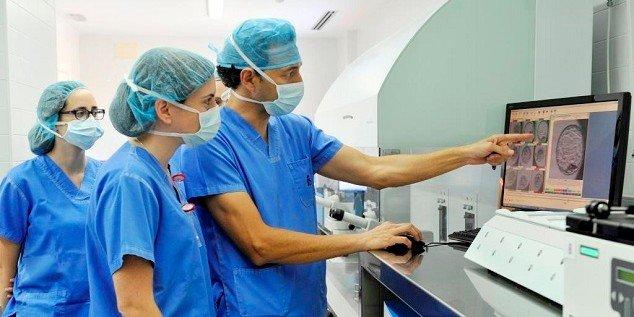
The embryo factor is the reason for most cases of implantation failure and recurrent pregnancy loss. Instituto Bernabeu points out that it is a question of abnormalities in the number or position of chromosomes. Thanks to pre-implantation genetic testing (PGD/PGT-A), abnormalities can be detected, meaning that it is possible to avoid using an embryo that would not implant or that would lead to premature pregnancy loss.
IVF Abroad - Patient's Guide 2026
IVF Costs, Success Rates and Laws in 11 Countries Compared + Country Popularity Report.
IVF Abroad - Patient's Guide 2026
IVF Costs, Success Rates and Laws in 11 Countries Compared + Country Popularity Report.
Lost in clinic options? Talk to our IVF advisor.
We’ll help you find trusted IVF clinics abroad - tailored to your medical needs, budget, and treatment goals.
Looking for "best" IVF clinic abroad?
We analyse your needs, treatment type, destination preferences and find top IVF Clinics for you.
Compare IVF Programs Offered by Top Clinics
From IVF guarantees to medications, IVF laboratory techniques, and additional services (add-ons) - all in one place to help you choose with confidence.
Existing molecular biology techniques mean that it is possible to select embryos with no chromosome abnormalities that will lead to a successful pregnancy. In addition, exome studies, which analyse the regions where most genetic changes take place, have resulted in huge progress in terms of uncovering the genetic reasons for recurrent pregnancy loss and failures to implant. Avoiding pregnancy loss is possible once a variant has been identified using pre-implantation genetic diagnosis techniques that detect monogenic disorders (PGD/PGT-M).
The clinic continuously pursues lines of research through its Implantation Failure and Recurrent Pregnancy Loss Unit. Its research has led to genetic studies such as identification of the genetic variants that make patients susceptible to recurrent embryo implantation failure and premature pregnancy loss. This discovery led to the creation of IBgen RIF, a test that analyses variants in the genes linked to the immunological factors that are associated with thrombotic risk and factors that modulate the receptivity of the endometrium.
The spotlight has recently been placed on the vaginal microbiome and the fact that it is possible to improve successful pregnancy prognoses by achieving a perfect balance and normalising microorganism patterns in the female reproductive system.
The Uterus Analysis
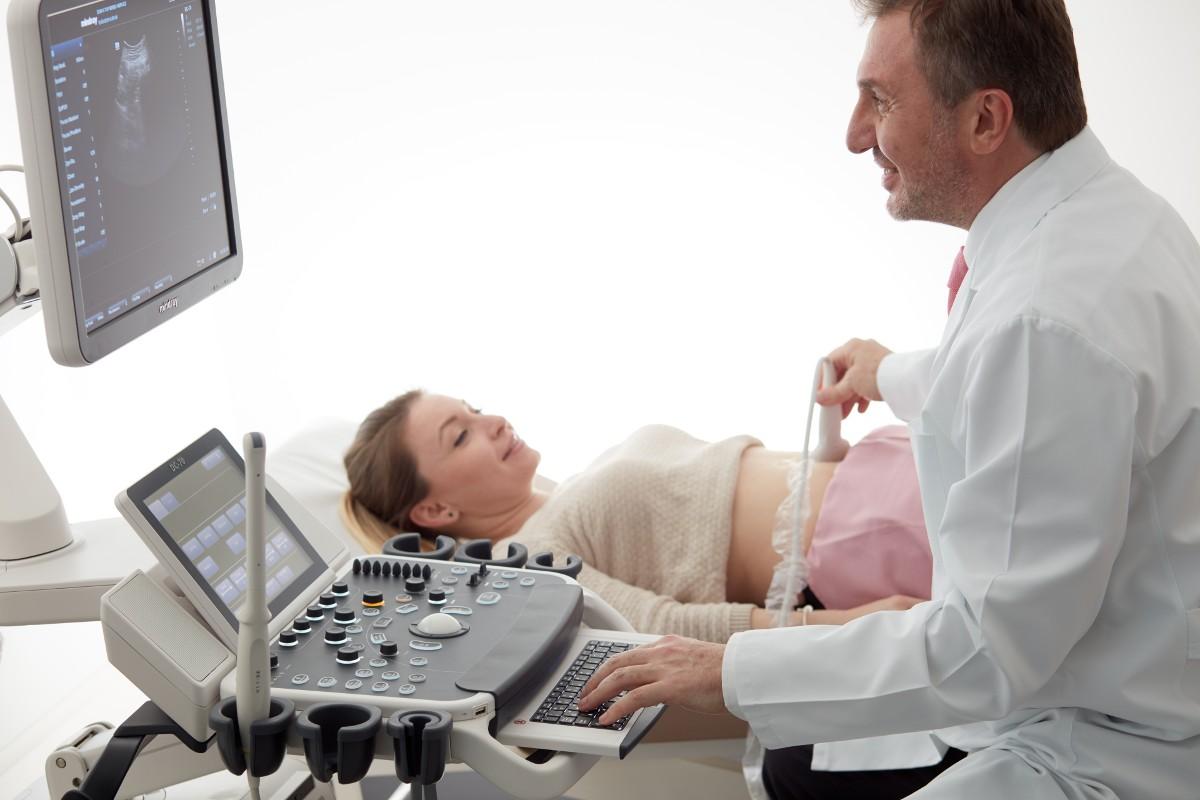
Studies of the uterus are also essential. Recent research work by Instituto Bernabeu on uterus contractility has developed into a key area of international investigation after it was discovered that it is possible to increase the chances of successful implantation by inhibiting contractions. In addition, access to powerful ultrasound equipment means that all the necessary information about the uterine cavity can be gathered and illnesses such as adenomyosis, which stops pregnancies from taking place by covering the uterus with endometrial tissue, can be ruled out. It can also help to determine the most suitable spot for embryo transfer.
Since the immune system is another somewhat unknown element of the reproduction process, endocrinology and immunology factors are also taken into account when assessing the reasons why embryos do not implant.
No Single Formula to Suit Everyone
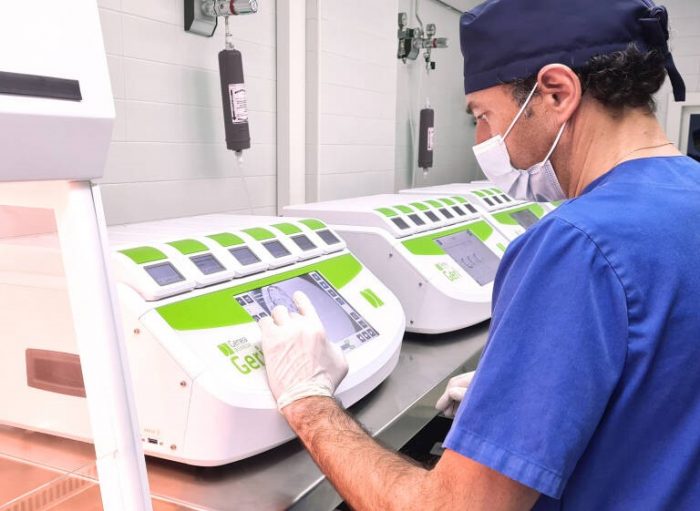
The team at Instituto Bernabeu individually assesses each case and determines which tests are required. The clinic clearly states that there is no magic formula that works for everyone. Each case is unique. A research carried out by Instituto Bernabeu has been published at world-leading scientific society congresses including ASRM, ESHRE, ASEBIR and SEF. The research is used in clinical practice and to support the scientific community in its quest for solutions.
Lost in clinic options? Talk to our IVF advisor.
We’ll help you find trusted IVF clinics abroad - tailored to your medical needs, budget, and treatment goals.
The Implantation Failure and Recurrent Pregnancy Unit at Instituto Bernabeu is a pioneering unit in Europe and includes gynaecologists, endocrinologists, molecular biologists, geneticists, embryologists and immunologists.
Studying the male factor is also an important part of the journey towards finding out what is causing implantation failure. It has recently been revealed that conventional sperm analyses are insufficient for acquiring an in-depth understanding of sperm’s ability to fertilise. There can be abnormal semen parameters that are detected in advanced studies such as sperm meiosis. Analyses of this kind can be used to check if there are abnormalities in the sperm’s genetic load.
Instituto Bernabeu has been treating couples from 133 countries who seek personalised and very specialist solutions. They can find them at Instituto Bernabeu clinics in Alicante, Palma de Mallorca, Madrid, Albacete, Cartagena, Elche and Benidorm in Spain, and, more recently, the first international clinic in Venice, Italy.