Navigating IVF: A Comprehensive Guide for Patients Over 38

Navigating fertility and motherhood beyond the age of 38 presents a complicated situation composed of biological, emotional, and practical considerations. With advancing age comes a decline in ovarian reserve and egg quality, heightening the challenge of conception both naturally and through assisted reproductive technologies like IVF. These fertility issues are followed by an increased risk of pregnancy complications. In the realm of fertility treatment, older patients may require tailored approaches such as different ovarian stimulation protocols and preimplantation genetic testing to optimize outcomes.
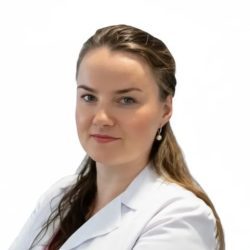
In this comprehensive interview with Dr. Ruth Sánchez from UR Vistahermosa, we try to give you interesting insights into key aspects of IVF tailored specifically to address the unique challenges and considerations faced by patients over 38.

Dr. Ruth Sánchez, UR Vistahermosa
What are the success rates of IVF with own eggs for patients over 38?
How do the success rates compare to younger age groups?
The success rates of in vitro fertilization (IVF) with a woman’s own eggs generally decline with age due to factors such as decreased ovarian reserve and egg quality. For patients over 38 years old, the success rates of IVF with their own eggs tend to be lower compared to younger age groups.
Exact success rates can vary depending on factors such as the individual’s health, fertility history, and the specific clinic and treatment protocols used. However, as a general guideline, the pregnancy rates per IVF cycle published by the SEF (Spanish Fertility Society) generally fall into the following age categories:
- Under 35 years: Pregnancy rates per IVF cycle tend to be higher in this age group, with a probability of success that can exceed 40-50% per cycle, depending on various factors.
- 35 to 39 years: In this age group, pregnancy rates per IVF cycle generally decrease compared to younger women. The probability of success per cycle can be between 30-40%.
- From 40 to 42 years: Pregnancy rates per IVF cycle decrease significantly in this age group. The probability of success per cycle may be lower, around 10-20%.
How does age affect egg quality and quantity?
Age has a significant impact on both the quality and quantity of a woman’s eggs.
- Quantity (Ovarian Reserve): Women are born with a finite number of eggs, and this number declines over time. This decline accelerates as a woman reaches her late 30s and early 40s. This diminishing ovarian reserve is a natural part of aging and is influenced by genetic factors. As the number of eggs decreases, fertility declines, and the chances of conceiving naturally or through assisted reproductive technologies like IVF decrease.
- Quality: Egg quality also declines with age. This decline in quality is primarily due to changes in the genetic material within the egg (chromosomes). Older eggs are more likely to have chromosomal abnormalities, which can lead to failed fertilization, miscarriage, or genetic conditions like Down syndrome in offspring. Additionally, older eggs may have compromised mitochondrial function, which can affect their ability to support embryo development.
Overall, age is a critical factor in female fertility, and women are most fertile in their 20s and early 30s. As women age, their reproductive potential decreases, and the risks of infertility, miscarriage, and chromosomal abnormalities in offspring increase. While advancements in reproductive medicine can help overcome some age-related fertility challenges, age remains one of the most important factors influencing a woman’s reproductive health.
Are there any additional or specific tests recommended for patients over 38 before starting IVF treatment?
The tests requested for women over 38 years of age do not differ from those requested for younger women. It is important to study ovarian reserve and other hormones such as thyroid hormones and vitamin D.
In addition to the basic ultrasound, viral serology, and karyotype tests, we recommend performing a genetic test called a recessive illnesses carrier test to find out if you are a carrier of any genetic disorder such as cystic fibrosis, thalassemia or fragile X syndrome that could be transmitted to your offspring.
What is the role of ovarian reserve testing for patients over 38, and how do results influence IVF treatment decisions?
Ovarian reserve testing is a critical component in assessing a woman’s fertility potential, particularly for those over the age of 38. Understanding a patient’s ovarian reserve helps in tailoring IVF protocols to optimise outcomes.
Types of Tests:
○ Anti-Müllerian Hormone (AMH): AMH levels provide an estimate of the remaining egg supply. It is a reliable indicator of ovarian reserve that remains relatively stable throughout the menstrual cycle, making it a valuable tool for predicting response to ovarian stimulation.
○ Follicle Stimulating Hormone (FSH): Measured on day 3 of the menstrual cycle, elevated FSH levels can indicate diminished ovarian reserve. FSH testing is often combined with other assessments to provide a comprehensive picture of fertility potential.
○ Antral Follicle Count (AFC): An ultrasound examination is used to count the number of antral follicles present in the ovaries. This count helps estimate the remaining egg reserve and predicts how well a patient might respond to IVF stimulation.
Influence on Treatment Decisions:
○ Results from these tests guide clinicians in developing personalised IVF protocols. For example, a low AMH level may lead to adjustments in medication dosages or the consideration of alternative treatments, such as egg donation. By understanding ovarian reserve, clinicians can better predict treatment outcomes and manage patient expectations.
What are the latest research findings on the effectiveness of IVF for patients over 38, and how do these findings impact treatment strategies?
The effectiveness of in vitro fertilisation (IVF) for patients over the age of 38 has been a significant focus in reproductive medicine. As women age, there is a natural decline in fertility due to a decrease in the quantity and quality of eggs. Recent studies have addressed these challenges, highlighting both limitations and advancements that impact treatment strategies for older patients.
Success Rates and Age-Related Factors:
○ Research consistently shows that IVF success rates decline with age, primarily due to diminished ovarian reserve and poorer egg quality. Women over 38 often experience a marked reduction in the number of viable embryos compared to younger patients. This decline in fertility potential is a key factor influencing IVF outcomes and necessitates tailored treatment strategies.
○ A 2023 study in the Journal of Assisted Reproduction and Genetics reported that cumulative live birth rates for women aged 38-40 are approximately 25-30% per IVF cycle. For women over 40, the rates drop significantly, underscoring the importance of age-specific treatment protocols.
Impact on Treatment Strategies:
○ In response to these challenges, clinics are adopting more personalised approaches to IVF treatment. Personalisation may involve the use of higher doses of gonadotropins to stimulate the ovaries and optimise the number of eggs retrieved. Additionally, techniques such as preimplantation genetic testing (PGT) are being utilised to select embryos with the highest chance of successful implantation.
○ The inclusion of adjuvant therapies, such as the use of growth hormone, is being explored to improve ovarian response in older women. These strategies aim to enhance the overall success rates and address the unique physiological needs of patients over 38.
○ Adding Ovarian PRP infusions prior to starting the progesterone intake pre-transfer, as these seem to help increase chances of implantation in cases where it is difficult to obtain a good thickness or, empirically, in cases where there have been several failed embryo transfers.
Are there any additional IVF techniques or protocols that may increase the outcome for patients aged 38 and older?
For patients aged 38 and older undergoing IVF, there are several additional techniques or protocols that fertility specialists may consider to potentially increase the chances of a successful outcome. These techniques are often tailored to address the specific challenges associated with advanced maternal age. Some of these techniques include:
- Preimplantation Genetic Testing (PGT): Preimplantation genetic testing for aneuploidy (PGT-A), formerly known as preimplantation genetic screening (PGS), involves analyzing embryos for chromosomal abnormalities before transfer. This can help identify chromosomally normal embryos, potentially increasing the chances of implantation and reducing the risk of miscarriage, which is particularly relevant for older patients who have a higher likelihood of producing chromosomally abnormal embryos.
- Extended Embryo Culture: Extended embryo culture involves culturing embryos in the laboratory for a longer duration before transfer, typically to the blastocyst stage (around day 5 or 6). This allows embryologists to select the embryos with the highest developmental potential for transfer, which may increase the chances of implantation.
- Time lapse incubators: The main advantage of Time-Lapse systems is that they allow the complete embryonic development to be analysed using videos, without removing them from the incubator. In this way, laboratory staff can select the embryos most likely to implant and give birth without altering their culture conditions.
- Individualized ovarian stimulation protocols: for example, mild ovarian stimulation which involves using lower doses of medications. This approach may be gentler on the ovaries and may be preferable for some older patients.
- Ovarian rejuvenation: consists of the administration of a small volume of enriched plasma into each ovary, in a procedure similar to that of an oocyte puncture. This technology is based on the principles of Regenerative Medicine, whose objective is to restore “the biological environment” and increase the number of mature eggs.
- Use of Donor Eggs: For patients with significantly diminished ovarian reserve or poor egg quality due to advanced age, using donor eggs from a younger, healthier donor offers higher success rates compared to using the patient’s own eggs.
What are the current advancements in IVF technology that specifically benefit patients aged 38 and older?
Recent advancements in IVF technology have the potential to significantly enhance outcomes for patients over 38, offering new hope and possibilities for successful pregnancies.
Technological Innovations:
○ Time-Lapse Imaging: This technology allows for continuous monitoring of embryo development without the need to disturb the culture environment. Time-lapse imaging provides detailed insights into embryo growth patterns, helping embryologists select embryos with the best implantation potential.
○ Artificial Intelligence (AI): AI algorithms are increasingly used to analyse embryo images and identify subtle features associated with successful implantation. By integrating AI into the embryo selection process, clinics can improve the accuracy and efficiency of choosing viable embryos.
Fertility Preservation:
○ Egg freezing is an important fertility preservation technique that allows women to delay childbearing until later in life. For women over 38, freezing eggs at an earlier age can significantly improve the chances of a successful future pregnancy. This option is also valuable for women undergoing medical treatments, such as chemotherapy, that may affect fertility.
What are the ethical considerations involved in recommending IVF treatments for patients over 38?
Offering IVF treatment to patients over 38 involves several ethical considerations, as clinicians must balance the desire to help patients achieve pregnancy with the potential risks and challenges associated with advanced maternal age.
Success Rates and Risks:
○ The lower success rates for older women, combined with increased risks of pregnancy complications, raise ethical questions about the appropriateness of IVF in this age group. Complications such as gestational diabetes, hypertension, and preterm birth are more common in pregnancies achieved through IVF in older women.
○ Clinics must ensure that patients are fully informed about the potential risks and realistic chances of success. This involves comprehensive counselling to help patients make informed decisions about their treatment options.
Informed Consent:
○ Obtaining informed consent is a fundamental ethical requirement. Patients must be provided with clear and comprehensive information about the potential outcomes, risks, and limitations of IVF at an older age. Clinicians should ensure that patients have the opportunity to ask questions and fully understand the implications of their choices.
PGT-A:
○ It is very important to recommend performing PGT-A when undergoing IVF for women over 38 as there will be a higher number of chromosomally abnormal embryos. This decreases the chances of implantation, increases the chances of miscarriages and of chromosomal anomalies. This technique decreases the risks for the future mother and baby.
There are discussions regarding the PGT-A for older patients. What is your approach to using a PGT-A as one of the options for patients aged 38 and older?
When considering the use of preimplantation genetic testing for aneuploidy (PGT-A) for patients aged 38 and older undergoing IVF, it’s essential to approach the decision with careful consideration of various factors, including the patient’s reproductive history, preferences, and potential risks and benefits.
It is important to evaluate the patient’s individual circumstances, including their age, ovarian reserve, previous fertility treatments, and any known genetic or chromosomal concerns. We have to discuss with the patient the potential benefits and limitations of PGT-A in the context of the patient’s age and ovarian reserve. Emphasize that while PGT-A may increase the chances of selecting chromosomally normal embryos and the pregnancy rates, it does not guarantee pregnancy success. Additionally, PGT-A adds cost and complexity to the IVF process.
How does IVF treatment protocol differ for patients over 38 compared to younger patients?
Older patients may require a more aggressive ovarian stimulation protocol to stimulate the ovaries to produce a sufficient number of mature eggs. This may involve higher doses of fertility medications or different medication combinations compared to younger patients. However, some older patients may benefit from mild ovarian stimulation protocols to minimize the risk of ovarian hyperstimulation syndrome (OHSS) and to improve egg quality.
Given the higher likelihood of chromosomal abnormalities in embryos from older patients, preimplantation genetic testing for aneuploidy (PGT-A) may be recommended to screen embryos for chromosomal abnormalities before transfer.
Are there any additional or specific tests recommended for patients over 38 before starting IVF treatment?
The tests requested for women over 38 years of age do not differ from those requested for younger women. It is important to study ovarian reserve and other hormones such as thyroid hormones and vitamin D.
In addition to the basic ultrasound, viral serology, and karyotype tests, we recommend performing a genetic test called a recessive illnesses carrier test to find out if you are a carrier of any genetic disorder such as cystic fibrosis, thalassemia or fragile X syndrome that could be transmitted to your offspring.
How many cycles of IVF are typically recommended for patients over 38, and what factors influence this decision?
It can vary depending on several factors, including the patient’s individual circumstances, treatment response, and reproductive history. While there’s no set limit on the number of IVF cycles a patient can undergo, fertility specialists typically aim to balance the chances of success with the patient’s physical, emotional, and financial well-being.
There are some factors that influence the decision regarding the number of IVF cycles recommended for patients over 38 which are: ovarian reserve, egg quality, the reproductive history, the response to treatment and, of course, we should also consider financial and emotional factors.
Should I consider using donor eggs if I am over 38?
Deciding whether to use donor eggs is a highly personal and complex decision for anyone, especially for those over 38 considering IVF treatment. This decision should be made following the specialist’s recommendations regarding the possibility of pregnancy with your own eggs. If chances are very low, egg donation is a good alternative.
What are the success rates of using donor eggs for older women undergoing IVF?
The success rates of using donor eggs for older women undergoing IVF tend to be higher compared to using their own eggs, primarily because donor eggs come from younger individuals with better ovarian reserve and egg quality. While success rates can vary depending on various factors, including the age of the recipient and the quality of the sperm used, using donor eggs generally offers older women a higher likelihood of achieving a successful pregnancy and live birth.
The pregnancy rates per embryo transfer using donor eggs for women over 38 can be quite high, often exceeding 60% per embryo transfer.
What are the risks associated with IVF for older patients – 38 plus?
For older patients (aged 38 and above), undergoing IVF treatment carries certain risks and challenges, primarily due to age-related factors affecting fertility and pregnancy outcomes.
Due to the decrease of the ovarian reserve, this can result in fewer eggs retrieved during IVF cycles, lower fertilization rates, and reduced chances of embryo implantation.
Due to Lower Egg Quality: Older women are more likely to produce eggs with chromosomal abnormalities, which can result in failed fertilization, embryo implantation failure, miscarriage, or genetic conditions such as Down syndrome in offspring. All this translates into reduced IVF Success Rates.
Advanced maternal age is also associated with an increased risk of pregnancy complications, such as gestational diabetes, pregnancy-induced hypertension (preeclampsia), placental abnormalities, and cesarean section delivery.
How do the chances of multiple pregnancies change with IVF for patients aged 38 and older, and what are the potential implications?
The likelihood of multiple pregnancies in older IVF patients and the associated risks require careful consideration and management.
Likelihood and Risks:
○ Multiple pregnancies are more likely with IVF due to the transfer of multiple embryos to increase success rates. However, multiple gestations carry higher risks, including preterm birth, low birth weight, and complications for both the mother and infants.
○ To mitigate these risks, many clinics are now adopting a policy of elective single embryo transfer (eSET), particularly for older patients, to reduce the chances of multiple pregnancies while maintaining acceptable success rates.
Management Strategies:
○ Strategies to manage the risk of multiple pregnancies include careful embryo selection and the use of advanced reproductive technologies to identify embryos with the highest implantation potential. This approach helps balance the desire for successful outcomes with the need to minimise health risks.
Should I consider a tandem IVF cycle (own eggs plus donor eggs) if I am 38 or older?
If you have possibilities with your own eggs you should try first a cycle with them, and choose the cycle with donor eggs if there is no possibility to use your own eggs.
How many patients aged 38 or older are treated at your clinic? What type of treatment is usually chosen by them?
We do not have these statistics, as we treat each case individually and personalize strategies, protocols and recommendations. As already commented, especially for women over 35, it is important to study all factors before giving recommendations and establishing a treatment plan.
Can you see the increasing demand for IVF treatment in patients aged 38 or older? What is the reason?
Yes, the percentage of women who come to our center over 38 years of age is growing due to the delay in motherhood, the development of assisted reproduction techniques and egg donation programs.
What is the maximum age of patients treated at your clinic?
In Spain there is no established legal limit to carry out assisted reproduction treatments. However, the SEF (Spanish Fertility Society) recommends taking the average age of menopause (loss of fertility) in Spain as a limit for fertility treatments which is 51 years, so this is the limit that we set.
How does lifestyle impact the success rates of IVF for patients aged 38 and older, and what lifestyle changes are recommended?
Lifestyle factors play a crucial role in the success of IVF, especially for women aged 38 and older. Making informed lifestyle changes can significantly influence the outcomes of fertility treatments.
Diet and Nutrition:
○ A healthy diet rich in antioxidants, such as the Mediterranean diet, has been associated with improved reproductive outcomes. Antioxidants help mitigate oxidative stress, which can negatively affect egg quality. Foods high in omega-3 fatty acids, fruits, vegetables, whole grains, and lean proteins are recommended.
○ Recent research suggests that specific nutrients, such as folic acid, vitamin D, and Coenzyme Q10, may support better egg quality and embryo development, providing a nutritional foundation for successful IVF.

Foods high in omega-3 fatty acids, fruits, vegetables, whole grains, and lean proteins are recommended.
Exercise:
○ Moderate, regular exercise is beneficial in maintaining a healthy body weight and reducing stress, both of which are important for reproductive health. However, excessive or high-intensity exercise should be avoided, as it can lead to hormonal imbalances that may adversely affect fertility.
○ Women undergoing IVF are encouraged to engage in low-impact activities such as walking, yoga, or swimming, which support overall well-being without overexerting the body.
Stress Management:
○ High stress levels can impact hormone production and disrupt the menstrual cycle, potentially affecting IVF success. Techniques such as mindfulness, meditation, and counselling have been shown to help reduce stress and improve emotional well-being during the IVF process.
○ Support groups and therapy can provide additional emotional support, helping patients navigate the psychological challenges associated with fertility treatments.

Women undergoing IVF are encouraged to engage in activities helping to manage stress such as meditation or yoga.
Sleep:
○ Adequate sleep is essential for maintaining hormonal balance and supporting overall health. Sleep deprivation can lead to increased stress and hormonal disruption, which may negatively impact fertility outcomes. Patients are advised to establish a regular sleep routine and ensure they get 7-8 hours of quality sleep per night.
What role does sperm quality play in the success of IVF for patients over 38, and how is it assessed and addressed?
Sperm quality is a crucial factor in the success of IVF, particularly for older female patients. Ensuring optimal sperm health can significantly influence reproductive outcomes.
Importance in IVF Outcomes:
○ The quality of sperm affects fertilisation rates and embryo development. Parameters such as sperm count, motility, and morphology are assessed through semen analysis. Abnormalities in these parameters can reduce the likelihood of successful fertilisation and embryo growth.
○ Techniques such as intracytoplasmic sperm injection (ICSI) are employed to enhance fertilisation rates when sperm quality is suboptimal. ICSI involves the direct injection of a single sperm into an egg, increasing the chances of successful fertilisation.
Assessment and Interventions:
○ In addition to standard semen analysis, advanced tests such as DNA fragmentation analysis may be used to assess sperm health further. Interventions to improve sperm quality can include lifestyle changes, such as quitting smoking, reducing alcohol intake, and taking supplements known to enhance sperm parameters.
○ It is also important, whenever possible, to perform a FISH sperm test to check the sperm karyotype. If there is a higher number of spermatozoa with an altered number of chromosomes, this can affect the number of abnormal embryos generated by that sample. When a patient has an altered FISH test result, performing PGT-A to the embryos is even more important.
How does the clinic support the emotional well-being of patients over 38 undergoing IVF treatment?
The emotional and psychological challenges faced by older IVF patients are significant and require comprehensive support from fertility clinics.
Psychological Challenges:
○ Older patients may experience heightened levels of stress, anxiety, and emotional distress during the IVF process. Concerns about age-related fertility decline, treatment outcomes, and societal pressures can exacerbate these feelings.
○ Clinics are encouraged to offer psychological support services, including individual counselling and support groups, to help patients navigate these emotional challenges. Access to mental health professionals who specialise in fertility issues can be invaluable.

Clinics are encouraged to offer psychological support services, including individual counselling and support groups, to help patients navigate these emotional challenges.
Support Services:
○ Fertility clinics can provide a range of support services, such as stress management workshops, mindfulness training, and peer support groups. These services aim to create a supportive environment where patients can share their experiences and receive guidance from both professionals and peers.
What is the role of acupuncture or alternative therapies in supporting IVF success for patients over 38?
Complementary therapies, such as acupuncture, are gaining attention for their potential role in supporting IVF success for patients over 38.
Evidence and Recommendations:
○ Some studies suggest that acupuncture may improve IVF outcomes by enhancing blood flow to the uterus, reducing stress, and promoting hormonal balance. These potential benefits have led to its consideration as an adjunct therapy for patients seeking a holistic approach to fertility treatment.
○ While evidence is mixed, acupuncture may be recommended for patients who are interested in integrating alternative therapies into their treatment plan. Patients must consult with their healthcare providers to ensure that any complementary therapies do not interfere with conventional treatments.
In conclusion, becoming a mother at the age of 38 or older can be challenging and requires special treatments, tailored to each patient’s needs. We hope that this interview with one of the experts of UR Vistahermosa gave you some necessary insights and answers to frequent questions on this topic.