VERIFIED & REVIEWED CLINICS
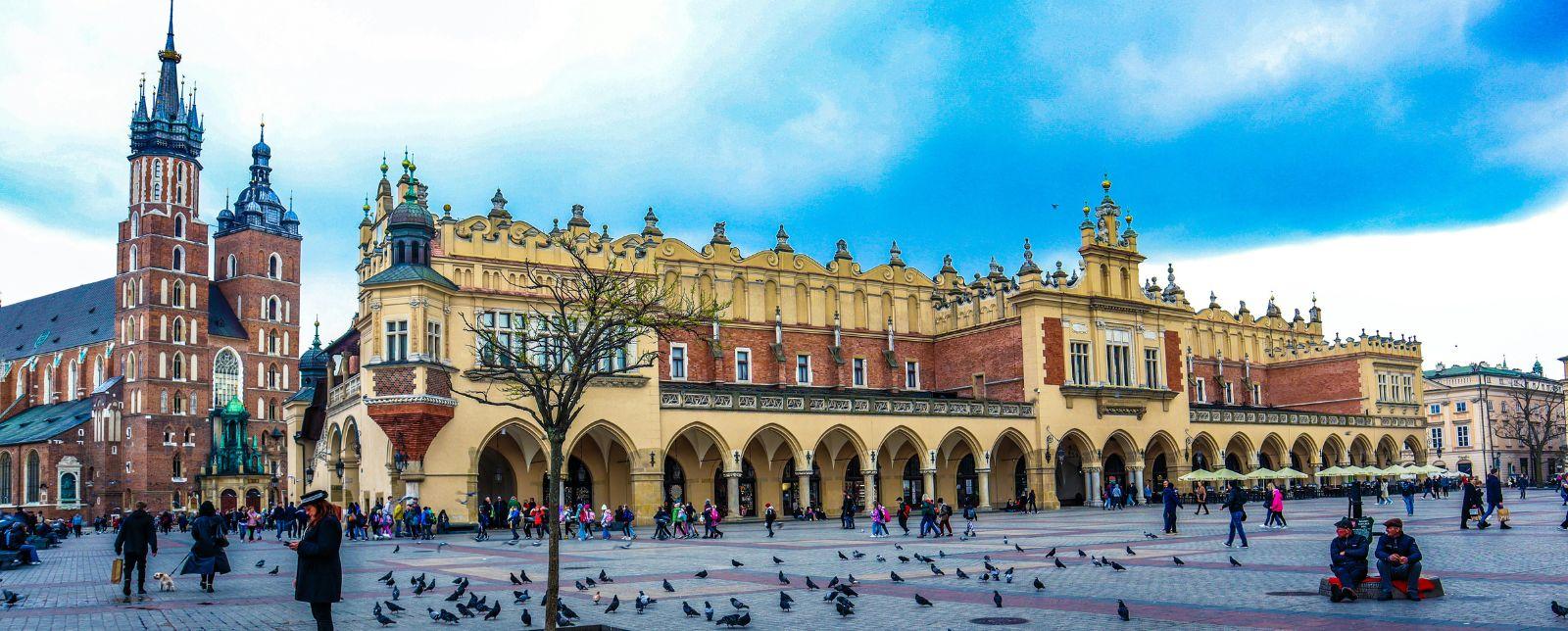
Fertility clinics in Poland
Poland has a large, well regulated fertility sector: clinics need a licence and are inspected at least once a year, and as of June 2026, 58 providers were taking part in the national IVF programme. Egg and sperm donors are anonymous, the law sets no upper age limit (treatment depends on medical assessment), and prices are among the lowest in the EU. One thing to know before you plan: treatment is available to heterosexual couples only, not to single women or female couples.
The clinic below is the Polish clinic international patients most often choose when they contact Fertility Clinics Abroad. Its card shows the city, the prices the clinic quotes for a standard programme, and a link to the full profile with the medical team, success rates and contact form. For treatment steps, law and logistics, see our complete guide to IVF in Poland.
IVF Clinic in Poland for International Patients
Own-egg IVF starts at about €2,280 and donor-egg IVF at about €5,115 per cycle at the clinic below, which treats women up to 50; medication and travel are extra. Prices checked in October 2026.
Showing 1 clinic in Poland
More about IVF in Poland
Everything you need to know about IVF in Poland
IVF Clinics in Poland - FAQ
How much does IVF cost in Poland?
A basic IVF cycle using the patient’s own eggs typically costs €2,200–€2,500, while donor-egg treatment generally costs €5,500–€6,500. Medication, preliminary tests, embryo freezing, additional transfers and genetic testing may increase the final cost.
Can single women have IVF in Poland?
No. Under Poland’s assisted reproduction framework, IVF is available to eligible heterosexual married or cohabiting couples, not single women. Patients should not assume that private payment or foreign residency creates an exception to these legal requirements.
Is egg donation anonymous in Poland?
Yes. Egg and sperm donation operate under an anonymous donor framework. Recipients may receive permitted non-identifying donor information, including relevant medical characteristics, but they cannot generally select a donor by accessing identifying personal information.
What is the age limit for IVF in Poland?
Age requirements depend on treatment, medical eligibility and whether the patient is applying under the publicly funded programme. Poland’s national IVF funding programme has separate age criteria for own-egg and donor-egg treatment. Those funding limits should not be confused with a universal maximum age for every privately funded treatment.
IVF Abroad - Patient's Guide 2026
IVF Costs, Success Rates and Laws in 11 Countries Compared + Country Popularity Report.
Lost in clinic options? Talk to our IVF advisor.
We’ll help you find trusted IVF clinics abroad - tailored to your medical needs, budget, and treatment goals.
Looking for "best" IVF clinic abroad?
We analyse your needs, treatment type, destination preferences and find top IVF Clinics for you.
Compare IVF Programs Offered by Top Clinics
From IVF guarantees to medications, IVF laboratory techniques, and additional services (add-ons) - all in one place to help you choose with confidence.