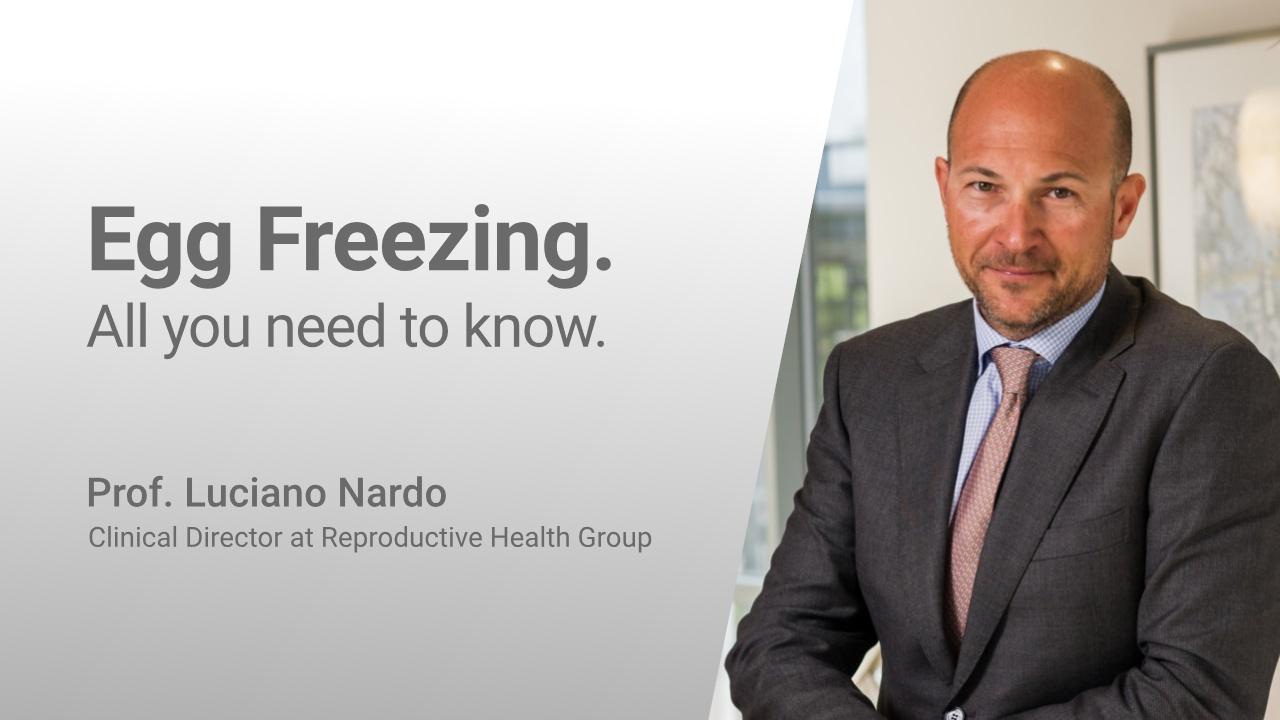
When it comes to female fertility, age is of paramount importance. As women get older, their oocytes diminish in numbers and in quality and this brings problems with natural conception. That is why egg freezing seems to be a perfect solution that helps pause the biological clock. We have interviewed Prof. Luciano Nardo, Clinical Director of Reproductive Health Group, on the topic of social egg freezing. If you are in your 20s or early 30s and planning family in the future, this article is exactly for you.
Introduction to egg freezing
Egg freezing has been recognised by the HFEA (Human Fertilisation & Embryology Authority), the UK regulator of fertility clinics, as ‘rapidly emerging as a viable clinical technique to preserve a woman’s fertility’. It is certainly an area in which there have been many advances during the 20 years that I have been practising as a fertility specialist. The technology has advanced and so have attitudes towards egg freezing, with a large rise seen in cases of freezing eggs for social rather than for medical reasons.
IVF Abroad - Patient's Guide 2026
IVF Costs, Success Rates and Laws in 11 Countries Compared + Country Popularity Report.
IVF Abroad - Patient's Guide 2026
IVF Costs, Success Rates and Laws in 11 Countries Compared + Country Popularity Report.
Lost in clinic options? Talk to our IVF advisor.
We’ll help you find trusted IVF clinics abroad - tailored to your medical needs, budget, and treatment goals.
Looking for "best" IVF clinic abroad?
We analyse your needs, treatment type, destination preferences and find top IVF Clinics for you.
Compare IVF Programs Offered by Top Clinics
From IVF guarantees to medications, IVF laboratory techniques, and additional services (add-ons) - all in one place to help you choose with confidence.
Whatever your reasons are for considering this technique, there are some aspects that are crucial to think about before beginning the process.
What is egg freezing?
Put simply, egg freezing means that eggs will be harvested from your ovaries, frozen unfertilised in a laboratory and stored there for you to use at a time of your choosing.
What is the process?
There are 5 steps to the process – the initial appointment, preparation, monitoring, collection and freezing.
- At your initial consultation with your fertility specialist, your medical and reproductive history will be discussed and your consultant may recommend some investigations or tests first before proceeding any further. These will usually be a blood test to look at your ovarian reserve and possibly an ultrasound scan too.
- Once you are ready to go ahead, your ovaries will need to be stimulated. This will be done by taking fertility drugs to help maximise the number of eggs produced during your next cycle.
- Monitoring is done using ultrasound scans and sometimes blood tests as well. The aim is to establish when the best time for egg collection will be.
- Egg collection is performed in operating theatre whilst you are under sedation. Eggs are collected by inserting a special probe into the vagina under ultrasound guidance and extracting the eggs from the follicles. It usually takes around 20 minutes to complete the collection process.
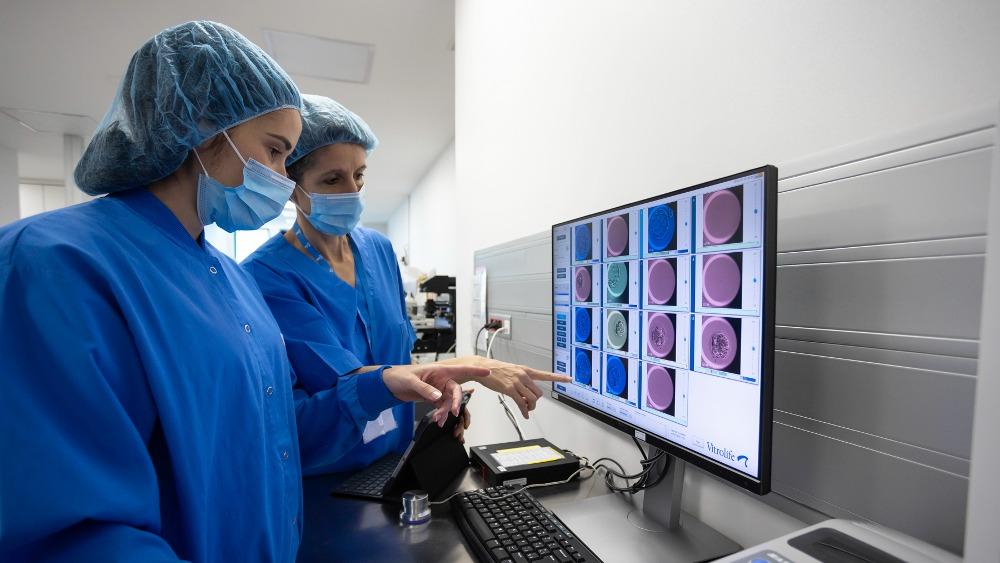
- Mature eggs that are suitable for freezing will be frozen using a technique called vitrification and put into storage in the laboratory. They will remain there until you choose to use them.

Freezing and storage
In the past eggs used to be frozen using a ‘slow freezing’ technique. This though left them vulnerable to ice crystals forming in the cells, which would damage the egg to the point where it would not survive to successfully fertilise. Vitrification, the technique which is used now, is ‘fast freezing’, so the eggs are frozen in liquid nitrogen so quickly that the chances of harmful crystals forming are significantly reduced. The UK law at the present time states that eggs can be frozen for up to 10 years.
Who should freeze their eggs?
The three groups of women who most commonly freeze eggs are:
- Those who want to preserve their fertility so that they can potentially have a child in the future (this is known as ‘social egg freezing’). This could be because they have not yet found a stable partner, established career, or are not financially stable enough to want to start their family.
- Those about to undergo medical treatment such as chemotherapy which may impact their fertility.
- Those considering gender reassignment surgery.
When is it best to freeze eggs?
The age you are at the point you undergo egg freezing has a direct impact on the chances of later success – the younger you (and your eggs) are, the higher the chances of success. From a clinical point of view, the best time is during your 20s or early 30s, up until the age of 35. But interestingly according to the HFEA’s latest report ‘Egg freezing in fertility treatment: trends and figure 2010 – 2016’, it has been found that the younger a woman is when she freezes her eggs, the less likely she is to return to use them. This is thought to be because younger women have a better chance of still being able to conceive naturally, without having to use their frozen eggs, at the time they find themselves in a position to start a family. Older women (late 30s) on the other hand may need more cycles to collect a sufficient number of eggs, and have a lower birth rate, but have been found to be more likely to return to their clinic to use their frozen eggs, as their ability to conceive naturally has declined.
How successful is egg freezing?
Although the number of completed egg freezing and thawing cycles in the UK remains relatively small compared to other forms of fertility treatment, numbers are increasing. Birth rates from IVF using frozen donated eggs are in line with the success rates from fresh cycles, and whilst birth rates from frozen own eggs are at present slightly below those from fresh cycles, they too are increasing. However, as mentioned previously the age of the patient at the time that her eggs are frozen is a vital factor when looking at success rates so I would encourage anyone considering egg freezing to instigate starting the process at as young an age as possible to give themselves the best chance of a successful outcome later in life.

How much does it cost to freeze eggs?
At our clinic, Reproductive Health Group, the cost for egg freezing is currently £3,450 excluding consultations, blood screening tests, screening, medications and storage. Patients of FertilityClinicsAbroad who undergo egg freezing with us between 1st September 2020 and 1st March 2021 will be entitled to FREE storage for the first 12 months. Contact our clinic to claim your 12 months of free oocyte storage.
Lost in clinic options? Talk to our IVF advisor.
We’ll help you find trusted IVF clinics abroad - tailored to your medical needs, budget, and treatment goals.
Egg freezing is an exciting prospect that could allow you to start your family at the time that is preferable for yourself and your lifestyle, however, it is important to be realistic about the success rates and to bear in mind factors such as age which could influence these.