Dr Markus Nitzschke – Review
Choosing a fertility doctor is a deeply personal decision. Beyond medical expertise, many patients look for someone who communicates clearly, understands the emotional weight of treatment, and can guide them through complex choices – especially when time, age, and previous disappointments are part of the story.
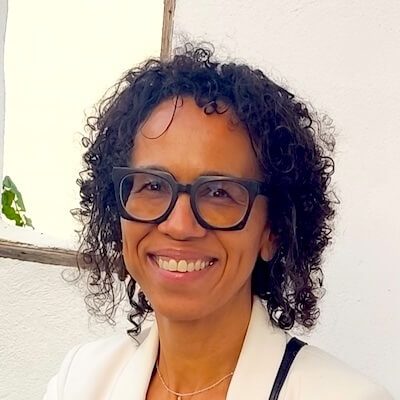
Dr Markus Nitzschke is a German-trained, double board-certified specialist in Obstetrics & Gynaecology and Reproductive Endocrinology/Infertility, currently listed as part of the medical team at Instituto CEFER Barcelona.

Dr Markus Nitzschke
Dr Marcus Nitzschke – support for international IVF patients
What makes Dr Nitzschke particularly relevant for international patients seeking IVF in Spain is the combination of:
• a strong focus on individualised, patient-centred care,
• clinical interests that include egg donation, embryo donation, and gentler stimulation approaches,
• and multilingual communication (helpful for cross-border care).
“After years of trying in France, I arrived in Barcelona feeling both hopeful and exhausted. I was 47 and I needed a doctor who would not judge me, but also wouldn’t promise miracles. Dr Nitzschke spoke to me in French and explained everything very clearly—what egg donation could realistically offer at my age, what the steps would be, and how we would decide on the transfer plan. I appreciated that he didn’t rush the emotional part. He acknowledged how difficult it is to let go of the idea of ‘my own eggs’ and he gave me time to ask the same question three different ways. Once we started, the coordination felt smooth: I always knew what was happening next and why.
The day of transfer was calmer than I expected. The team treated me like a person, not a case number. No matter what your outcome is, feeling respected and informed matters. For me, that made the journey bearable—and ultimately hopeful again.”
— Sophie, Lyon (France), 47
Communication and languages
For cross-border fertility care, clear communication can reduce misunderstandings and stress. Dr Nitzschke’s profiles repeatedly note multilingual fluency, including German, French, Spanish, and English.
This can be particularly reassuring for:
- German-speaking patients navigating Spanish healthcare abroad,
- French-speaking patients who want nuance in risk/benefit discussions,
- and English-speaking international patients seeking direct explanations without heavy medical jargon.
Interested in CEFER Barcelona? Read more here >
Background and clinical focus
Across multiple clinic and professional profiles, Dr Nitzschke is consistently described as an infertility specialist with international training and a long-standing interest in egg donation and IVF approaches that aim to reduce medication burden without losing sight of outcomes and safety. He is reported to have trained at leading university hospitals in Strasbourg (France), Barcelona (Spain), Bern (Switzerland), and Bonn (Germany).
A recurring theme in his professional story is Natural Cycle IVF and Minimal Stimulation IVF—two approaches often discussed with patients who:
• want a more “gentle” protocol (fewer injections, lower medication doses),
• have experienced side effects or emotional strain from high-dose stimulation,
• or have low ovarian reserve and may not produce many eggs even with high stimulation.
According to the IVF-Naturelle competence network page about the CEFER Institute, during his training period at the Inselspital in Bern (2009–2010) he played a “decisive role” in the development of IVF-Naturelle within the team of Prof. Dr Michael von Wolff, and later pursued further exposure with Dr Osamu Kato (Tokyo) and Dr John Zhang (New York)—names frequently associated with mild/natural-cycle philosophies.
For many patients, this background signals a doctor who is used to tailoring stimulation and treatment intensity—rather than forcing everyone into one standard protocol.
“I’m German, and going abroad for treatment was intimidating. I worried about language, transparency, and whether I’d feel ‘lost’ in a system I didn’t know. Dr Nitzschke made a big difference because he communicated in German and he understood exactly what I needed—structure, clarity, and a plan.
He reviewed my history carefully and explained why egg donation offered the best chance for us. He also talked about what we could control: uterine preparation, general health, stress reduction, and realistic expectations about timing. I never felt pushed; I felt guided.
What stood out most was his calm, straightforward way of talking. In fertility treatment, every day can feel like an emergency in your head. He helped me slow down and focus on the next step. I felt supported medically and emotionally. That combination is rare.”
— Katharina, Munich (Germany), 42
Areas of expertise patients often ask about
Egg donation – especially for advanced maternal age
Egg donation is listed among Dr Nitzschke’s special interests on NOW-fertility’s consultant profile, and it is also repeatedly connected with his work in Barcelona.
For patients in their 40s (and occasionally beyond), the emotional experience can be complex: grief over genetics, fear of judgement, urgency around time, and anxiety about whether it’s “too late.” A doctor’s ability to discuss these issues with clarity and respect matters just as much as technical competence.
Dr Nitzschke works daily with international patients and is known for a “thoughtful, individualised approach” to complex cases, particularly for women with low ovarian reserve and those seeking gentler IVF approaches.
Low ovarian reserve and “gentler” IVF strategies
Low ovarian reserve is repeatedly highlighted as a key area of focus across profiles. In practical terms, patients commonly want help with questions like:
- “If I only make 1–3 follicles, does it still make sense to stimulate heavily?”
- “Can a mild approach reduce the risk of cancellation?”
- “Should I do several retrievals (embryo banking) or move to donor eggs now?”
A patient-friendly consultation typically explores medical history, ovarian reserve markers, prior response to stimulation, and your personal priorities (time, budget, tolerance for repeated cycles, and your feelings about donor options).
Natural Cycle IVF and Minimal Stimulation IVF
Dr Nitzschke is described as one of Europe’s “pioneers” in Natural Cycle and Minimal Stimulation IVF and as having been involved in establishing an IVF program in Europe offering exclusively Natural Cycle IVF at the University Hospital of Bern.
For patients, it’s important to understand what this means in real life:
- Natural Cycle IVF usually aims to retrieve the one egg your body naturally selects that month (sometimes with minimal medication support).
- Modified natural / minimal stimulation may use small doses of medication to support follicle development while trying to avoid the physical and emotional intensity of full stimulation.
These approaches are not automatically “better”—they are tools. The right approach depends on diagnosis, ovarian reserve, age, and overall goals.
Dr Nitzschke – experience review
Dr Markus Nitzschke brings substantial hands-on experience within Spain’s fertility-care landscape, having spent years working in and alongside several well-known clinics and clinical teams in Barcelona. Over the course of his career, he has gained practical insight into different clinical workflows and patient pathways—experience that can be particularly valuable for international patients seeking treatment in Spain.
His background includes time spent with leading Spanish fertility clinics, including Eugin (Barcelona), Dexeus (Barcelona), CEFER (Barcelona), and NatuVitro. This breadth of exposure means he has worked with diverse patient profiles—ranging from straightforward IVF cases to more complex journeys involving low ovarian reserve, repeated implantation failure, or advanced maternal age—and has become familiar with the kinds of personalised decision-making that cross-border patients often need.
For many patients, what matters most is not only a doctor’s knowledge, but also the confidence that comes from years of real-world clinical practice in high-volume, internationally oriented IVF environments. Dr Nitzschke’s long-term experience within top Spanish clinics reflects that kind of perspective: a careful balance between evidence-based medicine, clear communication, and practical planning—so patients can move through their treatment steps with greater clarity and reassurance.
In addition to his clinical work in Europe, Dr Markus Nitzschke has been involved in developing IVF services internationally. Published clinical work links him directly to a newly established natural-cycle IVF program at a private IVF clinic in Mexico, reflecting hands-on experience not only in treating patients but also in helping to structure and implement specific IVF approaches in new settings.
Further, in clinic background information describing his entrepreneurial activity, he is credited with establishing clinics in Nepal, India, and Cambodia, applying Natural Cycle IVF protocols and building services tailored to patients with low ovarian reserve and other challenging diagnoses.
In addition, he has helped shape and strengthen key clinical departments for several international organisations, including EUGIN Barcelona, Cryos International, the Centre for Reproductive and Genetic Health (CRGH) in London, and ECO Med in Kazakhstan.
Academic and educational activity
Across professional bios, Dr Nitzschke is described as having published in international journals, being involved in conference teaching, and contributing to books on Natural Cycle/minimal stimulation and low ovarian reserve.
One frequently referenced work is a medical textbook on minimal stimulation and Natural Cycle IVF (listed in bios and on book platforms). For patients, academic activity isn’t the only marker of good care—but it can signal a clinician who stays engaged with evolving approaches and who enjoys explaining “why” behind a plan.
What a first consultation may feel like (patient perspective)
Patients often report that the first appointment sets the tone for everything that follows. In a doctor whose professional brand centres on “individualised” care, you can reasonably expect discussions to include:
- Your fertility history and what has/hasn’t worked so far
- Your realistic options based on age and medical markers
- A transparent explanation of the clinic’s steps and timeline
- Your emotional boundaries: how aggressive you want to be, and how many cycles you can imagine doing
- Clear next steps (tests to repeat, treatment route options, and approximate sequencing)
Tip for patients: If you’re considering egg donation, it can help to ask direct questions early:
- How is donor matching handled?
- What are the clinic’s timelines?
- What testing is recommended before donor IVF?
- How is the embryo transfer plan personalised (endometrial preparation, transfer timing, etc.)?