Dr Robert Najdecki on IVF: IVF Off The Clock in London

Dr Robert Najdecki, Co-Founder, Scientific Director at Assisting Nature
Navigating fertility treatment away from home is often described as a deeply personal crossroads – one that requires balancing cutting-edge reproductive science with the emotional resilience needed to step outside your comfort zone. For British patients looking across the Mediterranean, building a successful family requires more than just state-of-the-art laboratory equipment; it demands an unwavering partnership with a clinical team that values clarity and safety above all else. In the next installment of IVF Off The Clock, we travel to the heart of London to bridge that geographical gap, bringing the vanguard of European fertility care directly to UK patients seeking a transparent, compassionate roadmap to parenthood.
We sat down with Dr Robert Najdecki, a distinguished Reproductive Gynaecology Specialist from the acclaimed Assisting Nature clinic in Thessaloniki, Greece. Bringing more than 30 years of expertise in genetics and embryology, Dr Najdecki combines a storied clinical career with a profound personal connection to the UK capital, where his very first IVF baby now thrives as an adult professional. In this opening conversation, he dives into the foundational pillars of the Greek fertility model, breaking down how the clinic seamlessly blends strict national safety registries, AI-driven donor matching, and optimized “fresh-to-frozen” laboratory protocols to provide a highly secure, world-class destination for British couples.
Watch the full interview embedded below to discover how this tailored approach is redefining cross-border fertility care.
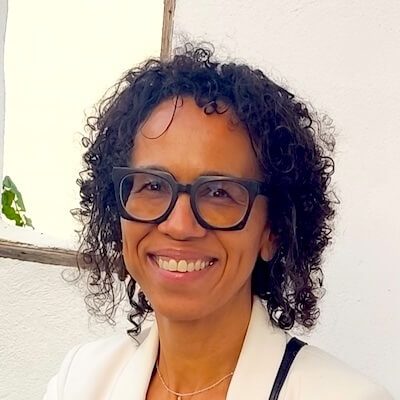
Welcome to IVF Off The Clock. I’m Dorothy, and today I’m in beautiful London in South Kensington, and I have the pleasure to interview Dr. Robert Najdecki from Assisting Nature in Greece. Robert, how are you today?
Thank you, Dorothy. Very well. This is a great pleasure and thank you for this kind invitation.
Thank you for being here with me. So, please, can you introduce yourself to the UK patients?
My name is Robert Najdecki. I am a reproductive medicine specialist. I have been working in this field for more than 30 years, starting right from the beginning with the very first IVF children, up until nowadays when we use highly sophisticated and varied procedures in our clinical practice, laboratory genetics, and across the entire IVF field.
Is there one specific area that you specialise in?
Of course, on my journey from the beginning of my career to the present day, I have passed through many different stages. In the beginning, my research focused primarily on stimulation protocols. Later on, I focused heavily on laboratory details, and currently, my specialisation is in hysteroscopy, endometrial incision, and the enhancement of implantation possibilities. You could say my career has covered all of these vital areas.
You mentioned that you’ve been working in the IVF sector for over 30 years. What still inspires you about IVF and fertility care after all this time?
For me, it has never been solely about my academic and professional career; it has always been about the relationship with the patients and maintaining that highly personalised contact over all these years. I think this unique connection is the most important thing keeping us going, and it gives us the ongoing motivation to push forward.
Today we are in London, and I’m wondering: what are the questions that UK patients most often ask you?
Firstly, London is a beautiful and very special city to me. I have a deeply personal relationship with it because my very first IVF baby lives right here. He is now a grown, highly successful professional. This beautiful connection brings me back to London time and time again, and I always feel incredibly comfortable in this town.
When it comes to British patients, they are naturally interested in all of our procedures, but they mostly enquire about egg donation, embryo donation, and PGT-A treatment. They want to know exactly how to prepare for the treatment, how to organize their medical trip to Greece, and, of course, they ask about our ability to maintain the absolute highest standards across our clinical facilities.
Why do UK patients specifically choose Greece as a destination for IVF treatment?
That is an excellent question. I think most patients find the environment very welcoming and hold a very high opinion of the standards within Greek IVF centres. Most of our specialists were trained in the United States, the United Kingdom, or Brussels, which allows us to maintain an elite international standard and operate as a major European fertility hub.
Furthermore, I believe that patients today look to connect directly with the specific clinic, the doctors, and their clinical capabilities, rather than just choosing a country as a geographic destination. Of course, Greece also offers the added benefit of being a beautiful holiday location. Combining top-tier medical services with the opportunity for a relaxing holiday establishes an exceptional level of care that is highly favoured by British patients.
Once patients decide to travel from the UK to Greece for treatment, what protocols do they most often choose? Is it egg donation, PGT-A, embryo donation, or IVF with their own eggs?
In most cases, our British patients come to us with a prior history of IVF cycles, which means they most frequently seek egg donation, embryo donation, and PGT-A treatments.
One of our greatest clinical strengths in Greece is that we work predominantly with fresh egg donors. This enables us to provide and offer couples perfectly matched, meticulously chosen donors, which is incredibly important for cycle success.
Additionally, PGT-A programmes are exceptionally well-established in Greece, providing an elite standard of genetic testing. For example, at our clinic in Thessaloniki, we have our PGT-A laboratory entirely in-house. This allows us to control every variable and manage quality control to rigorous standards. To put it simply, our geneticist is physically present during the blastocyst transfer to review findings, implement specialized procedures, and oversee the embryologists. Because the doctors and geneticists control the entire system seamlessly under one roof, the process runs much more smoothly and successfully. This includes non-invasive PGT-A techniques—or rather, a hybrid method moving toward non-invasive testing—which patients are actively researching. They recognise these technical advantages, and it is a major reason they choose Greece and our clinic.
Let’s talk about the actual process of IVF with donor eggs in Greece. How exactly is that organized at your clinic?
The process begins the moment we start selecting and matching a donor for our British patients. We collect essential phenotypic data, including photos of multiple candidates, blood groups, and all the necessary medical background information. We then initiate the matching process, which is now heavily supported by advanced Artificial Intelligence (AI) protocols. Ultimately, we are able to present the couple with at least two detailed donor profiles to consider.
From that point, we require just one short visit to Greece to collect the partner’s sperm sample (assuming we are working with egg donation rather than embryo donation, which would involve a similar matching process for a sperm donor). Once the sperm is secured, the treatment cycle officially begins. When the donor starts her stimulation protocol, all parties are kept fully informed. We cultivate the embryos to the blastocyst stage and vitrify them. A standard programme guarantees at least two viable, vitrified blastocysts, which effectively secures at least two embryo transfer opportunities for the couple.
Do you offer fresh or frozen cycles?
We work exclusively with fresh eggs from fresh donors, but we cultivate them to the blastocyst stage before freezing them. This “fresh-to-frozen” model is currently the absolute best approach available, yielding excellent, highly consistent results.
The reason we use this model is that it gives us far superior control over the preparation of the recipient’s endometrium (uterine lining). It means we don’t have to rush the transfer or stress the patient’s system trying to align dates with shifting progesterone levels. Because we freeze the blastocysts, we can prepare the patient perfectly and thaw the embryo on the exact day of the planned transfer. If anything unexpected happens at the last minute—whether with travel logistics, patient preparation, or unexpected progesterone spikes—we can safely halt the cycle without losing the embryos to a poorly timed transfer.
What is the availability of egg donors at your clinic regarding waiting times, age, and phenotypes?
Generally, Greece has recently implemented excellent new regulations surrounding donor treatments, which is a massive benefit for international patients because everything is strictly monitored by our national authorities.
Every single donor is placed on a centralized national registry, meaning a donor cannot simply move from clinic to clinic to undergo excessive retrievals. The authorities strictly enforce a lifetime limit of ten children per donor, which includes her own biological children. The ideal donor is someone of proven fertility who already has one or two healthy children of her own, placing her right in the prime of her reproductive health. This regulation ensures you can confidently complete your family building. If you have your first child using a specific donor, the Greek authorities allow you to return years later to proceed with subsequent transfers using the remaining blastocysts frozen in our banks. The entire system is stringently regulated, which keeps our patients at a genuinely safe and secure level.
Is IVF with own eggs possible for international patients in Greece?
Yes, IVF with own eggs is possible for couples looking for own egg procedures. The process starts with a digital appointment, where we confirm all the details about the treatment.
How does the clinic prepare the IVF protocol?
After collecting the medical data, we prepare the correct protocol. This is very important because now we often see patients of higher age. Compared with the past, we prepare special protocols, such as mild stimulation or minimal stimulation. In some cases, we also inform patients that it may be necessary to visit us more than once to collect the eggs and to have enough eggs for treatment.
Can patients start IVF treatment in their home country before travelling to Greece?
Afterwards, we organise the medications and provide information about the protocol. The patient starts the procedure in their hometown, in cooperation with British doctors. The possibility of coming to Greece only for two or three days for the oocyte pickup is very important for patients, as it does not conflict with their professional duties.
What happens after egg collection?
After egg collection, our laboratory procedures last about six days, until the blastocyst stage. Then the blastocysts are frozen. We are, of course, looking for a good number of blastocysts. We want to have more than two, three, or four blastocysts, especially if we are not going through the PGT-A process. Having the opportunity to work with blastocysts is important. Blastocyst formation works like a biological filter.
Why are embryos frozen before embryo transfer?
After the process of collecting blastocysts, we start preparing the patient for embryo transfer. This also allows us to prepare the endometrium better, especially in older women.
What happens after an unsuccessful embryo transfer?
In some cases, and obligatorily after one negative embryo transfer, we offer a sophisticated examination of the uterine cavity. We use a new method called HEFI, which stands for Hysteroscopic Endometrial Fundus Incision. In the past, this was known as endometrial scratching, but now it is a new method. It is performed under direct control by the operator and follows the same protocol every time.
What is HEFI, and how is it performed?
We cut the endometrium until we reach the blood vessels. At the same time, we can also perform other tests, including a microbiome test for the endometrial bacterial flora. We are also able to perform an endometrial implantation window timing test, such as ERA or BeReady, at the same time.
Why is it important to check the uterus after IVF failure?
We know that negative tests and unsuccessful treatments are caused in around 80% of cases by the embryos, while around 20% are related to uterine reasons. After an unsuccessful embryo transfer, it is very important to confirm that the uterine cavity and endometrium are working properly.
Who needs PGT-A in their IVF cycle?
This is a very good question, and I will answer very quickly and simply. In my opinion, every woman performing IVF treatment may think about PGT-A.
Why? Because even very young women can face genetic abnormalities that are not confirmed or diagnosed at that time. Having the opportunity to check the embryos at the blastocyst stage is, I think, a game changer.
Why can PGT-A be useful in IVF treatment?
Of course, it is not the only factor that improves pregnancy results. But it is simple: it protects patients from abnormal transfers, meaning transfers with abnormal embryos, which result in negative outcomes. This is very normal. Today, PGT-A is a very important factor in IVF treatment. In my opinion, every patient can think about, and should think about, PGT-A treatment and PGT-A results in their fertility journey.
How is PGT-A performed?
The process is a laboratory process and generally does not affect the IVF protocol. It starts on day five of embryonic life. From the blastocyst, we collect some cells from the trophectoderm. These cells are checked using NGS next-generation sequencing, which is currently the best system.
How long does it take to receive PGT-A results?
In theory, within 24 hours after this procedure, we can have the results. However, the equipment needs a certain number of embryos to run the test. A patient may receive results after around 25 hours, or may need to wait up to two weeks for enough samples to be completed in the sequencer. This is the reason why we sometimes wait up to two weeks for the results. But in general, the NGS run itself lasts 24 hours.
Can PGT-A damage the embryo?
Even though this is an invasive procedure, because we collect cells from the embryo, our embryologists are very experienced. The possibility of damaging the embryo is extremely low.
Is non-invasive PGT-A becoming available?
At the same time, we are also working on non-invasive procedures. We are very close to using non-invasive procedures more generally. An example of this is NIPT, the non-invasive prenatal test performed during pregnancy. I remember very well that 10 years ago, doctors were concerned about how it could be possible to take blood from a pregnant woman and find the baby’s DNA inside. They also questioned how precise the technique could be and whether it could provide reliable results. The procedure started with around 70% accuracy and, within two years, reached 95% to 96%.
Now, in this field, we are really using non-invasive techniques.
What is the future of PGT-A testing?
This is absolutely translatable to the IVF process of PGT-A. PGT-A is moving in the same direction, with non-invasive procedures becoming better every year. These procedures are now almost ready to be present in everyday practice. I think that maybe next year we will work only with non-invasive procedures, and step by step, the older invasive procedures will become part of the past of IVF medicine.
What is the upper age limit for fertility treatment in Greece, and how is the process organised?
There is a very pleasant rule for older patients. Our authorities allow women between 50 and 54 years old to undergo fertility treatment. There are some additional steps because we must obtain special permission from the authorities. This permission is valid for 2 years. Before starting the process, we prepare official documents for the authorities, including all the patient’s medical information, such as cardiological examinations, blood test results, mammography, liver function results, and other necessary assessments. We then wait approximately one month for the authorities’ decision, which is generally positive if the documentation is complete and the patient is in good health. Once approval is granted, we can perform all IVF procedures for the following two years. If treatment is not completed within that period, we simply apply for another two-year permission.
This is possible until the patient reaches 54 years of age. The same permission applies to all relevant fertility procedures.
Why do UK patients choose Assisting Nature in Greece?
I truly believe we are a highly specialised clinic that follows both European and international standards in IVF treatment. Our clinic was established 15 years ago by Professor Papanikolaou and myself. Since then, we have continuously focused on providing the highest standard of care and carefully monitoring every stage of the patient’s journey from beginning to end.
We invest in modern technologies, equipment and laboratory systems. We were the first clinic in Greece to introduce the IVF Witness system, which ensures complete sample traceability and safety throughout the laboratory process. We also use time-lapse embryo monitoring, a clean-room laboratory system, and air showers to maintain optimal laboratory conditions. Our clinic has two operating theatres—one dedicated to egg retrievals and another to hysteroscopic procedures. We also perform TESE and Micro-TESE procedures, allowing sperm retrieval from the testes while egg retrieval is taking place simultaneously in the second operating theatre. This is a specialised service that is not commonly available in many clinics.
As I mentioned, we also have an in-house PGT-A laboratory and a microbiological laboratory, which allow us to work with greater precision while closely monitoring every stage of treatment. Alongside our clinical work, we are actively involved in academic research. Together with Professor Papanikolaou, we have published more than 25 scientific papers over the past 15 years. Universities and the international scientific community well recognise our work.
Do you remember a patient from the UK whose IVF journey particularly stands out?
I have treated many patients from the UK, but one patient in particular stays in my memory. She was a single woman in her 40s who came to us for egg donation treatment. In the end, it was a very successful programme, although it was not an easy case. She was overweight and had several endocrinological problems. We addressed each issue step by step and gradually improved her health before treatment. Eventually, she became pregnant. She stayed with us for two months, which is very unusual, but she managed to do it. I also remember that she was a writer. After returning home, she sent me one of her books with a personal dedication. It was a very touching gesture. We still keep in touch today. From time to time, we exchange cards, and she sends me photos showing how her child is growing. It is a very special story.
Is there anything unique about the way you work at Assisting Nature?
I believe we have many unique aspects to the way we work, but one of the most important is our patient monitoring group. For every patient, we create a dedicated team consisting of a personal assistant from our administrative staff, a fertility midwife, and the treating fertility doctor. Whenever possible, we also create a WhatsApp group that includes the patient, their partner, the embryologist, and the clinical team. This allows us to communicate efficiently and ensures that everyone involved has access to the same information throughout the entire treatment process. Patients appreciate this approach because they always have a dedicated team that knows their case from beginning to end. Even during the laboratory stage, patients have a dedicated embryologist who updates them every day on the progress of their embryos.
I believe this monitoring system is one of our greatest strengths. It provides excellent communication, continuity of care, and a strong sense of safety and support.
Does Greece offer open-ID egg donors?
Yes. Following recent changes in Greek legislation, we are now able to offer both anonymous and open-ID (ID-release) egg donors. When working with fresh egg donors, open-ID donation is more difficult because all parties involved must agree. It is still not very common in Greece, and most of our patients continue to choose anonymous donation. This is why we cannot offer a large number of open-ID fresh donors.
When using donor eggs from egg banks, however, patients can choose either ID-release or non-ID-release donors, depending on their preferences.
How is Assisting Nature different from other fertility clinics?
Assisting Nature is a very modern clinic with state-of-the-art facilities, covering more than 700 square metres in a new, purpose-built building. All departments are located in-house, including our PGT-A laboratory, embryology laboratory and microbiology laboratory, allowing us to provide rapid responses and efficient patient care. Blood test results are often available within two hours, enabling us to respond quickly if we need to investigate or confirm any findings during treatment.
We also perform highly detailed laboratory testing and continuously monitor the quality of our results. We use the latest-generation equipment for AMH testing, providing more accurate and detailed results than previous technologies.
Our laboratory currently has six highly trained embryologists with extensive expertise in PGT-A and advanced laboratory procedures. We also use time-lapse embryo monitoring and have genetic specialists who provide genetic counselling whenever required.
In addition, we work closely with urologists who perform TESE and Micro-TESE procedures within the clinic. During egg retrieval, sperm retrieval can be performed simultaneously in our second operating theatre, allowing the laboratory to work directly with both male and female gametes in real time.
What is the highest BMI you will treat?
BMI is important because it influences both the safety and success of IVF treatment. However, we do not have a strict BMI cut-off where we simply refuse treatment. Instead, we work closely with each patient to improve their BMI before starting IVF whenever necessary.
I believe this is the better approach. It is not about reaching a specific number, but about supporting each patient through an individual process so that treatment can begin when, from a medical point of view, it is as safe and effective as possible.
What medications do you recommend for patients with recurrent miscarriages?
This is a very important question because recurrent miscarriage has been investigated for many years. First, we must remember that around 80% of miscarriages are caused by genetic abnormalities. My first question is whether PGT-A has been performed and whether we know the embryos are euploid. If we do not know the chromosomal status of the embryos, the first step is to offer PGT-A to determine whether we have a euploid blastocyst. Once we know we have a euploid embryo, we investigate the uterus in greater detail.
In our clinic, we perform a hysteroscopic fundal incision, which allows us to assess the uterine cavity while also collecting samples for microbiome testing, ERA and implantation window testing. This approach helps improve the environment for embryo implantation, evaluate the uterine microbiome, identify signs of chronic endometritis that can be treated before embryo transfer, and confirm the optimal implantation window. During endometrial preparation, we also use corticosteroids and low-molecular-weight heparin where appropriate to improve safety during treatment.
I believe this represents one of the most up-to-date approaches for patients experiencing recurrent miscarriage.
Why is Thessaloniki a hub for fertility treatment, and why is Greece attractive to American patients?
Thessaloniki is a beautiful city and home to more than nine well-established IVF clinics, all with highly trained professionals and modern facilities. It is also located only around 60 kilometres from the Halkidiki Peninsula, one of Greece’s most popular holiday destinations. Many patients appreciate the opportunity to combine fertility treatment with a relaxing holiday. We organise transfers from the airport to nearby hotels in Halkidiki and then transport patients to the clinic for their appointments.
As a result, many patients feel they are combining their treatment with a holiday—a true fertility vacation in Greece.
Do you offer PICSI and embryo banking?
Yes, absolutely. We offer PICSI, embryo banking, EmbryoGlue and a range of advanced sperm preparation techniques. We also perform DFI testing and the MiOXSYS oxidative sperm stress test. All of these procedures are managed by our experienced embryologists and andrologists, ensuring patients receive specialist care from diagnostic testing through every stage of IVF treatment.
What protocols do you use for patients with PCOS, endometriosis and adenomyosis?
For patients with PCOS, treatment depends on the severity of the condition and the individual test results. In general, we prefer mild or minimal stimulation protocols because they provide a gentler and safer approach while still achieving very good outcomes.
Sometimes patients undergo more than one stimulation cycle to collect fewer eggs of better quality, giving embryos greater developmental potential after fertilisation. Research into mild IVF protocols continues to develop, and I believe this approach will become increasingly common internationally. For patients with endometriosis, we first focus on treating the disease and controlling active endometriosis or ovarian cysts before beginning IVF. Once this pre-treatment is complete, we can usually proceed with ovarian stimulation, and when appropriately managed, treatment outcomes are comparable with other IVF patients.
For patients with adenomyosis, the hysteroscopic fundal incision plays a particularly important role. It allows us to assess whether adenomyosis affects the uterine cavity and helps improve the endometrium’s implantation potential before embryo transfer. This is an important part of our approach for these patients.