Seven IVF cycles. Several clinics, some of them in Cyprus. Nine years of hoping.
By the time she came to Cyprus IVF Hospital, at 36, she had done almost everything a patient can do. The couple had faced a serious male factor diagnosis, tried treatment with her husband’s sperm, and then moved on to donor sperm. Her hormone and metabolic tests were normal. Her tubes were open and her uterus looked healthy.
So why did nothing work?
That was the question Dr Serap Kağan set out to answer.
The doctor behind the case
Dr Serap Kağan is an IVF specialist and obstetrician-gynaecologist at Cyprus IVF Hospital, with more than 36 years of experience in medicine. She studied at Ankara University Faculty of Medicine, specialised at Zekai Tahir Burak Women’s Hospital and Maternity Home, and completed her IVF specialisation at Memorial Hospital IVF Center in 2008.
Her main areas of interest are implantation failure, ovarian stimulation protocols and advanced maternal age. She also treats diminished ovarian reserve, endometriosis, PCOS and other ovulation disorders, uterine and tubal factors and unexplained infertility.

Would you like Dr Serap Kağan to review your case? Send your medical history to Cyprus IVF Hospital and ask for a second opinion. Contact Dr Serap Kağan
A long road before Cyprus
Genetic testing of the patient’s husband had shown Y chromosome microdeletions in the AZFc region. This is a genetic cause of severely reduced sperm production. In their first two IVF attempts, sperm was retrieved surgically by testicular sperm extraction (TESE) and used for ICSI. Sperm quality was poor and the embryos didn’t develop well, so the couple decided to continue with donor sperm.
Even with donor sperm, though, the cycles kept failing. For Dr Kağan, that pointed to something on the patient’s side that hadn’t been found yet.
The test that changed the plan
After her first assessment, Dr Kağan recommended a complete thrombophilia panel, which tests for blood-clotting disorders, as well as karyotype testing.
IVF Abroad - Patient's Guide 2026
IVF Costs, Success Rates and Laws in 11 Countries Compared + Country Popularity Report.
IVF Abroad - Patient's Guide 2026
IVF Costs, Success Rates and Laws in 11 Countries Compared + Country Popularity Report.
Lost in clinic options? Talk to our IVF advisor.
We’ll help you find trusted IVF clinics abroad - tailored to your medical needs, budget, and treatment goals.
Looking for "best" IVF clinic abroad?
We analyse your needs, treatment type, destination preferences and find top IVF Clinics for you.
Compare IVF Programs Offered by Top Clinics
From IVF guarantees to medications, IVF laboratory techniques, and additional services (add-ons) - all in one place to help you choose with confidence.
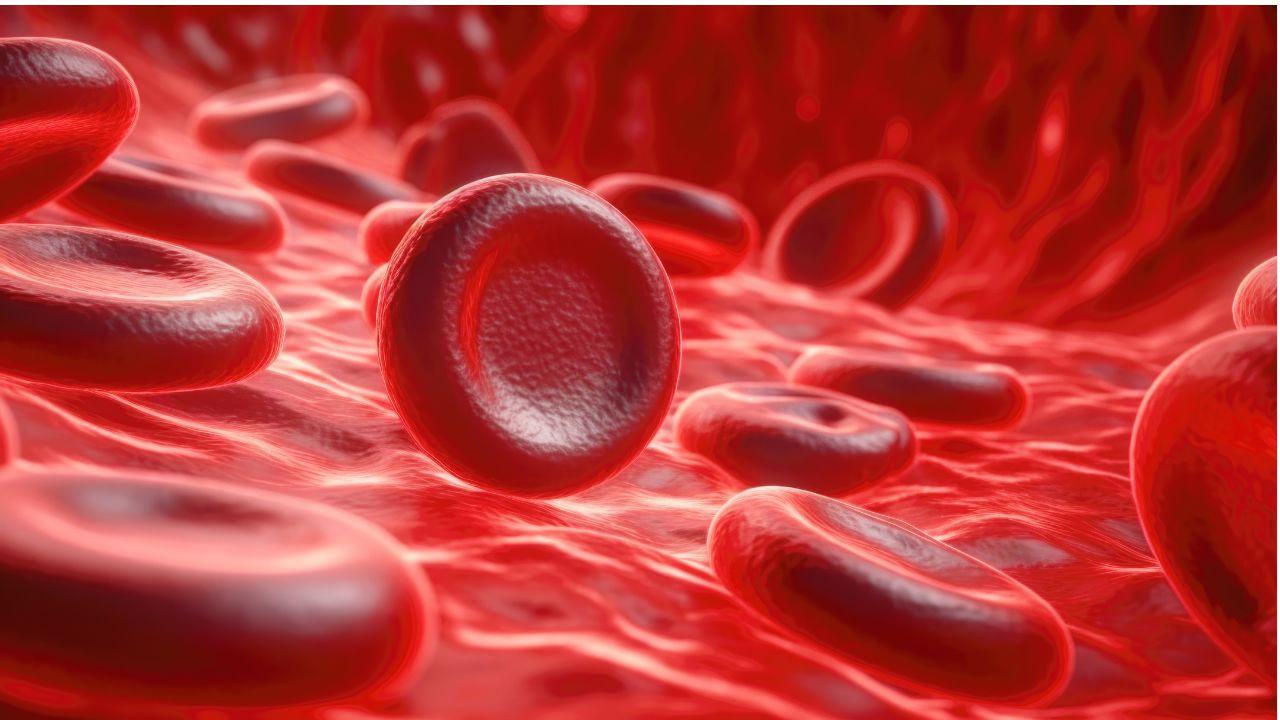
The results gave the first real explanation in nine years. The patient had an inherited thrombophilia: a deficiency of Protein S and Protein C. These proteins help keep blood from clotting too easily. When they’re low, blood flow to a developing pregnancy can be affected.
From that point on, the treatment had a clear direction.
A plan built around her
Stimulation for a lower ovarian reserve. With an AMH of 1.4 ng/ml, her ovarian reserve was diminished. Dr Kağan chose a stimulation protocol with Meriofert combined with a GnRH antagonist. The aim was to collect as many good-quality eggs as possible while keeping the cycle flexible and preventing early ovulation.
A fresh transfer this time. Unlike some patients who need all their embryos frozen, this patient was suited to a fresh transfer. As her follicles grew, the lining of her womb thickened naturally in response to her own oestrogen. On the day of the rHCG trigger injection, her lining measured 8.1 mm and her progesterone was 0.72 ng/ml.
The results
Eight eggs were collected: 6 mature and 2 immature. All six mature eggs fertilised, and five developed into blastocysts.
Progesterone support began on the day of egg collection to prepare her womb for implantation. One day before the transfer, her progesterone level was 61.4 ng/ml.
Transfer day, with extra protection
Two blastocysts, graded 5BB and 4BB, were transferred.
Because of her history of repeated implantation failure, her protocol included immune support. She took prednisolone until week 10 of pregnancy, and received intralipid infusions to support implantation and early pregnancy.
Lost in clinic options? Talk to our IVF advisor.
We’ll help you find trusted IVF clinics abroad - tailored to your medical needs, budget, and treatment goals.
To manage her thrombophilia, she is taking Axeparin, a low molecular weight heparin, throughout her pregnancy and for two weeks after the birth. This lowers her risk of blood clots.
The result she had waited nine years for
Twelve days after the transfer, her beta-hCG was 338 IU/L and her progesterone was 19.7 ng/ml. Forty-eight hours later, her hCG had risen to 867 IU/L.
After seven unsuccessful cycles, she was finally pregnant.
In Dr Kağan’s words
„This case highlights the importance of thoroughly investigating the underlying causes of recurrent IVF failure and tailoring treatment accordingly. By identifying and managing the contributing conditions, we were able to individualise the protocol to better support implantation and pregnancy progression, which ultimately played a significant role in achieving a successful outcome.
Cases such as this demonstrate that recurrent implantation failure is often multifactorial and requires a personalised, patient-specific approach rather than a standard treatment plan. Careful evaluation and individualised management remain essential in improving outcomes in complex fertility cases.”
If you’ve stopped counting your cycles
When IVF keeps failing, it’s easy to blame yourself, your eggs or simply bad luck. But repeated failure often has more than one cause, and sometimes one of them has never been tested for.
No doctor can guarantee the same outcome for every patient. A thorough second look, though, can uncover what earlier cycles missed.
Would you like Dr Serap Kağan to review your case? Send your medical history to Cyprus IVF Hospital and ask for a second opinion. Contact Dr Serap Kağan