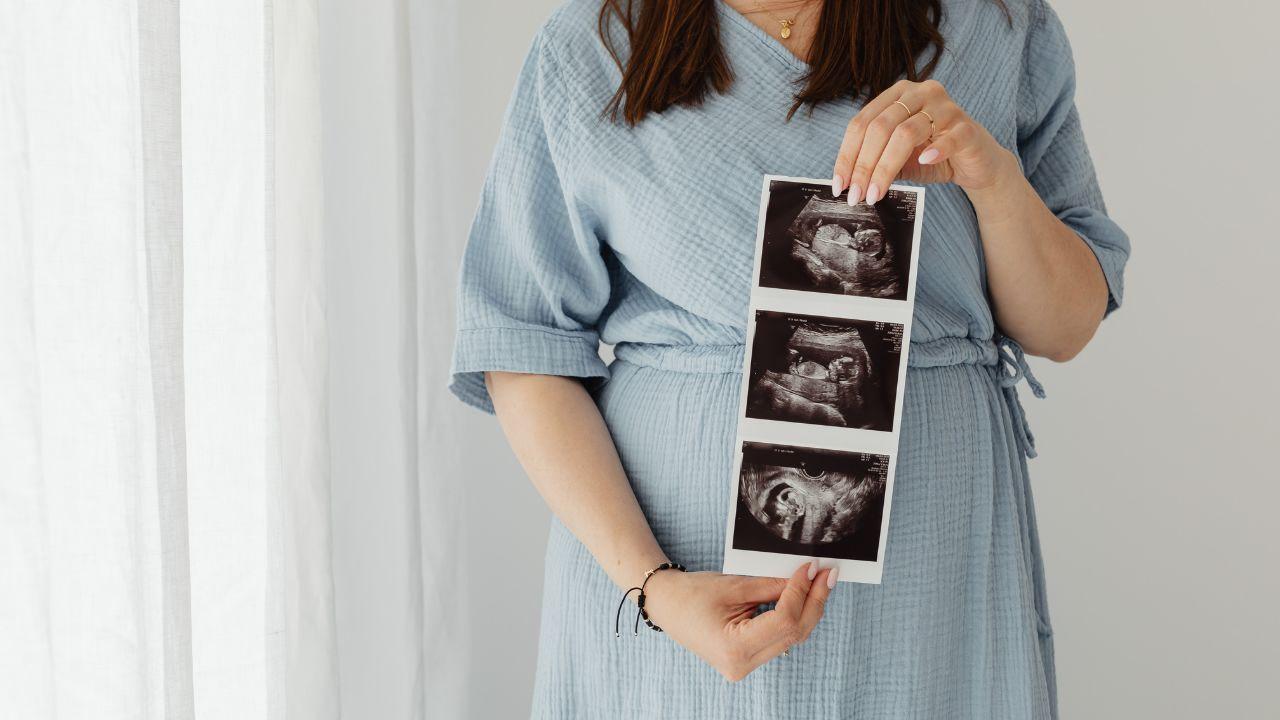
At 25, she had already been trying for a baby for more than three years.
On paper, her first IVF cycle in Germany looked like a success. Twenty eggs were collected and seven became blastocysts. But her body told a different story. Her ovaries had responded very strongly, an embryo was transferred straight away, and she developed ovarian hyperstimulation syndrome (OHSS), a painful complication that can make patients seriously unwell.
Many people would be afraid to try again after that. She did try again. This time, she came to Dr Serap Kağan at Cyprus IVF Hospital.
The doctor behind the case
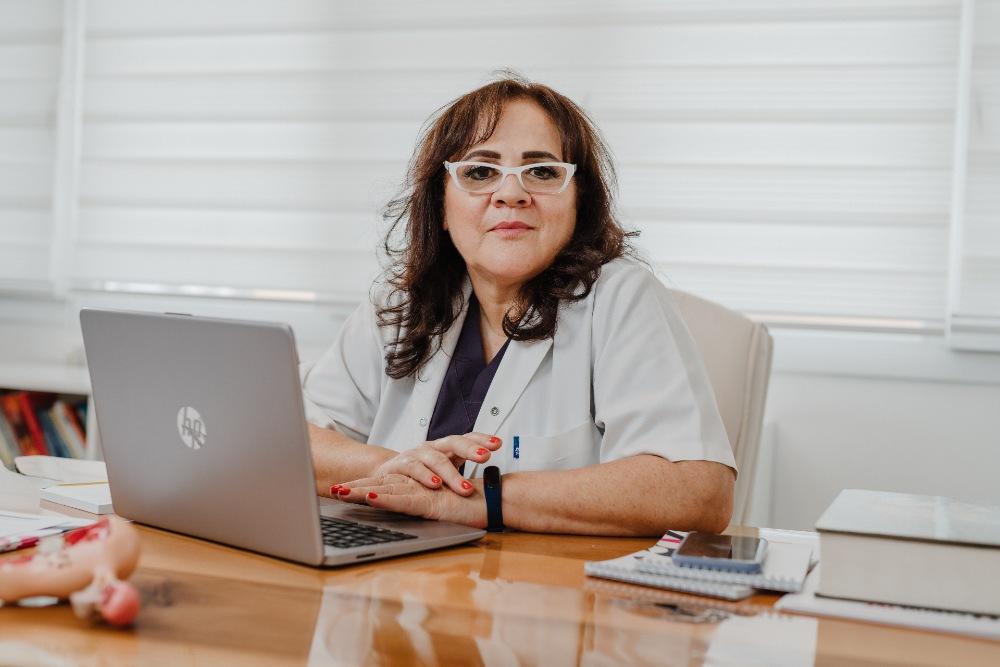
Dr Serap Kağan is an IVF specialist and obstetrician-gynaecologist at Cyprus IVF Hospital, with more than 36 years of experience in medicine. She studied at Ankara University Faculty of Medicine, specialised at Zekai Tahir Burak Women’s Hospital and Maternity Home, and completed her IVF specialisation at Memorial Hospital IVF Center in 2008.
Her main areas of interest are ovarian stimulation protocols, implantation failure and advanced maternal age. She also treats PCOS and other ovulation disorders, endometriosis, diminished ovarian reserve, uterine and tubal factors and unexplained infertility.
Would you like Dr Serap Kağan to review your case? Send your medical history to Cyprus IVF Hospital and ask for a second opinion. Contact Dr Serap Kağan
Two challenges at once
When Dr Kağan reviewed the couple’s history, she saw that the difficulties came from both partners.
For her: she had PCOS, recently proposed to be renamed polyendocrine metabolic ovarian syndrome (PMOS). She wasn’t ovulating, her AMH was high at 6.13 ng/ml, and tests showed high blood sugar and insulin resistance. Her tubes were open and her uterus looked normal.
IVF Abroad - Patient's Guide 2026
IVF Costs, Success Rates and Laws in 11 Countries Compared + Country Popularity Report.
IVF Abroad - Patient's Guide 2026
IVF Costs, Success Rates and Laws in 11 Countries Compared + Country Popularity Report.
Lost in clinic options? Talk to our IVF advisor.
We’ll help you find trusted IVF clinics abroad - tailored to your medical needs, budget, and treatment goals.
Looking for "best" IVF clinic abroad?
We analyse your needs, treatment type, destination preferences and find top IVF Clinics for you.
Compare IVF Programs Offered by Top Clinics
From IVF guarantees to medications, IVF laboratory techniques, and additional services (add-ons) - all in one place to help you choose with confidence.
For him: his semen analysis showed azoospermia, meaning no sperm in the ejaculate.
Her PCOS also explained what had gone wrong the first time. Her ovaries responded very strongly to stimulation. A fresh transfer in that situation raised the risk of OHSS, and that’s what happened.
What was done differently
Treating her metabolism first. Before thinking about embryos, Dr Kağan focused on the patient’s health. She started a GLP-1 agonist to manage the insulin resistance and high blood sugar, with regular blood tests to follow her progress. Once her results had improved, she was monitored for another two months before transfer preparation began. Dr Kağan sees this preparation as one of the most important steps in the whole treatment.
A gentler stimulation. Because of her PCOS and her history of OHSS, she was given a low-dose stimulation protocol: a GnRH antagonist protocol with Gonal-F 112.5 IU a day. Cetrotide was added after day 7, once her follicles reached about 14 mm.
No fresh transfer. Dr Kağan explained from the start that the embryos would be frozen. When the ovaries produce many follicles, hormone levels rise sharply, and this can make the lining of the womb less receptive and increase the risk of OHSS. A frozen transfer meant the embryos could be transferred in a later cycle, once her body had settled.
Lost in clinic options? Talk to our IVF advisor.
We’ll help you find trusted IVF clinics abroad - tailored to your medical needs, budget, and treatment goals.
Finding sperm. The team first tried TESA (testicular sperm aspiration), but no sperm were found. They then performed TESE (testicular sperm extraction), which did retrieve sperm. The sperm’s shape (morphology) was poor, which can make fertilisation harder.
The results
Twenty-three eggs were collected: 20 mature and 3 immature. Thirteen fertilised, a number that reflected the lower sperm quality. Six embryos reached the blastocyst stage.
For the frozen transfer, the lining of her womb was prepared with Estrofem (estradiol), followed by progesterone for luteal phase support. Her protocol also included aspirin to support blood flow to the uterus, folic acid, Prednol (methylprednisolone) for immune support and Monodoks (doxycycline).
Her lining reached 8.7 mm before progesterone support began. One day before the transfer, her progesterone level was 18.9 ng/ml.
Transfer day, and two heartbeats
Two embryos, graded 4AB and 3BA, were transferred. The procedure went smoothly.
Twelve days later, her beta-hCG was 1,335 IU/L and her progesterone was 23.2 ng/ml. Forty-eight hours later, her hCG had risen to 3,687 IU/L.
She is now 26 weeks pregnant, with twins.
In Dr Kağan’s words
„This case emphasises the importance of comprehensive pre-treatment optimisation and a multidisciplinary approach in infertility management. Prior to initiating treatment, optimisation of the patient’s metabolic status played a significant role in improving the overall chances of success.
In cases where severe male factor infertility is present, close collaboration with a urology specialist and adherence to their recommendations are equally essential for effective treatment planning and management.
At Cyprus IVF Hospital, our integration within a general hospital setting allows us to work closely with specialists from multiple disciplines, enabling rapid consultation and coordinated patient care. This collaborative approach contributes significantly to individualised treatment planning and successful clinical outcomes.”
If your first cycle didn’t feel right
A cycle that „looks good” on paper isn’t always the right cycle for you. If you have PCOS, have had OHSS, or your partner has been diagnosed with azoospermia, it’s worth having a specialist look at your whole picture: hormones, metabolism and both partners’ results.
No doctor can promise the same outcome for every patient. But a careful second look can show what should be done differently.
Would you like Dr Serap Kağan to review your case? Send your medical history to Cyprus IVF Hospital and ask for a second opinion. Contact Dr Serap Kağan