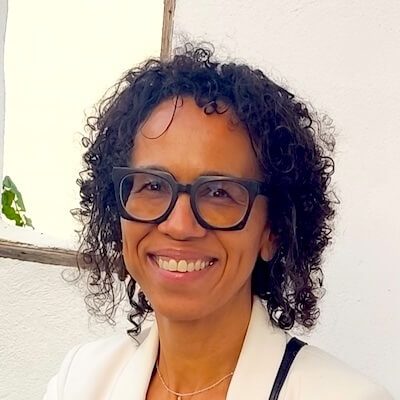
I Went To Europe Twice for IVF as a Solo Woman Aged 43. Here’s What I Wish I’d Known.
It was July 2024 and I was in Spain.
I walked nervously into the opersting theatre at a clinic in Spain for the egg retrieval. I shivered in the freezing cold AC room, wearing a paper thin gown. I heard the nurse ask the doctor if they should turn down the AC. He said no. They didn’t realise I speak Spanish.
The temperature reflected the general vibe of the room: there was no empathy. I was a solo woman, being sedated for the first time., outside her home country, alone These facts seemed to be meaningless details for this clinic.
Afterwards, the nurse said five mature eggs had been collected. I’d forgotten to ask what to expect. Because I didn’t ask, I wasn’t told.
Before I’d properly found my feet, I was hurried back to reception. I felt jittery and uncomfortable. I called an Uber back to my hotel. Then I phoned a woman I’d never met before. We’d connected on a fertility forum, both of us looking for clinics that treated older women. She had made herself available in case I needed to talk. My hands shook as I dialled. We spoke for over an hour. I’ll never forget her kindness.
I was 43, 11k euros lighter, and completely unprepared for how that day would feel. No one had told me. I hadn’t thought to ask – because I didn’t know what to ask.

Sarah – Solo Fertility 40s
—
My difficult experience at this Spanish clinic started from the outset. But I didn’t know what a red flag looked like. With better guidance, I could have invested elsewhere.
To plan for my next IVF cycle, I started researching clinics properly, with a list of defined questions. Several months later, I returned to Europe for a second cycle – this time in Greece.
Before flying out, I set up a support system so that a couple of people knew my schedule and when I’d be having treatment. I felt better prepared, and more relaxed because I knew what to expect.
The outcome of this IVF cycle was worse than the first. But the experience of going through it felt entirely different. The preparation wasn’t complicated. It was just knowledge I didn’t have before, and didn’t know where to find.
I don’t regret either trip. Europe is a sensible option for women over 40 who may need to undergo multiple IVF cycles. I was priced out of the UK market, as a solo woman funding treatment on one salary. I knew I’d need more than one cycle, too.
With better preparation, I could have discovered that what I paid for one IVF cycle at the Spanish clinic, including medication, travel and accommodation, could have funded almost three IVF cycles at a Greek clinic.
But I made mistakes which made both my IVF cycles harder than they needed to be.
I set up Solo Fertility 40s to support solo women over 40 having fertility treatment. So they can prepare better, advocate for what they want, and come out the other side not wishing they had asked the right questions.
Support options for solo women
Clinics genuinely set up to support solo women are not widespread. Here’s what a genuinely solo-patient-focused clinic might offer:
- A dedicated solo patient pathway
- A buddy system — someone assigned to accompany you to key appointments
- An escort after egg retrieval, so you’re not travelling back alone on sedation
- Daily check-ins during stimulation
- A virtual orientation before you travel
- Introductions to other solo patients at the clinic
- An IVF travel guide — what to bring, what to expect at the clinic, how the city works
- Cancelled-cycle support — who you speak to, what happens next
- Support if you become unwell during your stay
- Structured post-failure emotional support — a proper conversation, not just a follow-up call
Most clinics won’t offer these automatically. Fertility Clinics Abroad can point you to clinics supportive of solo women travelling alone. Book a free call.
And before you speak to any clinic outside your home country, download the Solo Fertility 40s checklist.
This includes questions to consider as a solo woman, such as who meets you after retrieval, what happens if you need support outside appointment hours; and the clinical and safety questions most women don’t think to raise.
Top tips for solo women travelling for treatment
If you’re ready to travel, here’s how to make it as stress-free as possible.
Get a local SIM card at the airport.
Most major airports have kiosks before you leave the terminal. Don’t rely on roaming when you’re jet-lagged, already on medication, and trying to find your way around a new city.
Book your own accommodation, ideally within walking distance of the clinic.
Clinics might have preferential offers with local hotels. That was still beyond my budget. I booked my own Airbnb nearby so that I could walk to the clinic.
Brief people before you go – and ask them explicitly to check in.
Tell at least one person your schedule and ask them to check in at specific moments – retrieval day, the day you’re travelling home. When you’re pumped on strong hormones, undergoing operations alone, a friendly voice makes a can make a big difference.
Find a local cafe to head to after the medical procedure.
A quiet, cosy cafe near your accommodation can be the ideal place to relax after your treatment and before you fly home. Find one with food you like so you’re not searching around on the day.
Buy your medication at a local pharmacy.
If you’re planning future treatment, it might be cheaper to buy it outside your home country. Some medication needs to be chilled, so bring a cool bag and ice packs. Carry a letter from your doctor confirming the medication is for fertility treatment, to give to your airline.
Prepare questions for your first meeting with the clinic.
Arriving pumped on hormones and tiredness from travelling means you may not be thinking clearly. Have your questions prepared and printed off. Ask your doctor to re-cap exactly what’s going to happen. Flag any concerns, eg needle phobia if you have to do a trigger shot.
I’ve put together a full set at Solo Fertility 40s – what to ask before you book, in the consultation, and before you hand over any money.
One more thing
I didn’t end up conceiving through IVF.
Around a year after that clinic in Spain told me a live birth with my own eggs was improbable, I conceived naturally – with my own eggs – at almost 44.
Natural conception allows the body to select its own egg, without the hormonal demands of stimulation. The body doesn’t always follow a clinical assessment. And a clinical assessment, particularly one delivered quickly after a single IVF cycle, is not always the final word on your fertility.
I’m not telling you this to suggest IVF abroad isn’t the right path for you. But before any clinic gives you what feels like a definitive answer, a second opinion could help you decide what’s next. Don’t let one assessment be the only one you act on.
Going abroad for IVF as a solo woman is extra logistical burden. It’s also, for many of us, the right call. The women who manage it best aren’t the ones who don’t struggle. They’re the ones who prepare.
—
*Sarah founded Solo Fertility 40s after IVF treatment abroad at 43. She writes independent guidance for solo women over 40 – no clinic affiliations, no commercial ties.*